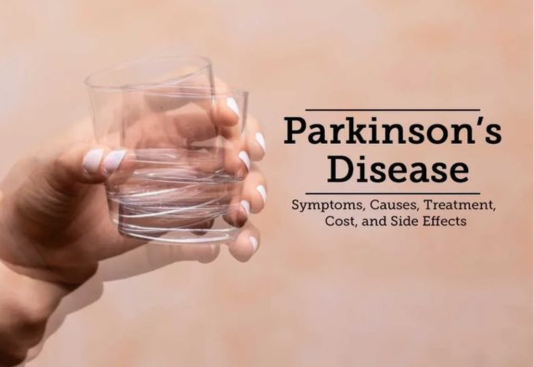
Neurological conditions are often complex, progressive, and life-changing. Among them, Parkinson’s disease stands out as one of the most widely recognized and researched disorders of the nervous system. It primarily affects movement but can also influence mental health, mood, and overall quality of life. Despite being common, Parkinson’s is still misunderstood by many. This blog aims to shed light on its causes, early warning signs, and the treatments available today.
What is Parkinson’s Disease?
Parkinson’s disease is a progressive neurological disorder that develops when certain nerve cells in the brain, particularly in the area called the substantia nigra, begin to degenerate. These nerve cells are responsible for producing dopamine, a chemical messenger that controls movement, balance, and coordination.
As dopamine levels decrease, patients begin to experience motor difficulties like tremors, stiffness, and slowness of movement. Over time, symptoms may worsen, making daily tasks increasingly challenging.
Causes and Risk Factors
The exact cause of Parkinson’s disease remains unknown, but researchers believe it arises from a mix of genetic and environmental factors.
Some of the common risk factors include:
- Age: Parkinson’s is most common in individuals over 60 years old.
- Genetics: A family history of Parkinson’s may slightly increase risk.
- Environmental Triggers: Long-term exposure to certain toxins, pesticides, or heavy metals may contribute.
- Gender: Men are more likely to develop Parkinson’s than women.
- Head Injuries: Previous trauma to the brain has been linked to a higher likelihood of developing the condition.
While these factors may increase risk, not everyone exposed will develop Parkinson’s, which is why ongoing research is essential.
Early Symptoms of Parkinson’s Disease
Parkinson’s symptoms usually develop gradually. Recognizing them early can help in seeking timely medical advice. Common early signs include:
- Tremors: Shaking of hands, fingers, or chin while at rest.
- Stiffness: Rigid muscles that make movement painful and limited.
- Slowness of Movement (Bradykinesia): Daily activities like buttoning a shirt or walking become slow and tiring.
- Impaired Balance: Trouble maintaining posture, leading to frequent falls.
- Changes in Speech and Writing: Soft voice, slurred speech, or small, cramped handwriting.
Non-motor symptoms such as sleep disturbances, depression, constipation, or reduced sense of smell may appear years before movement issues.
Stages of Parkinson’s Disease
Doctors often categorize Parkinson’s progression into five stages:
- Stage 1: Mild symptoms, usually tremors on one side of the body.
- Stage 2: Symptoms affect both sides; daily tasks become harder.
- Stage 3: Loss of balance and noticeable movement difficulties.
- Stage 4: Severe disability, though the patient may still stand or walk with support.
- Stage 5: Advanced stage, where the patient may be bedridden and need full-time care.
Treatment Options
While there is no permanent cure for Parkinson’s yet, treatments can significantly improve quality of life and slow symptom progression.
1. Medications
- Levodopa and Carbidopa: The most effective drugs, they help replenish dopamine.
- Dopamine Agonists: Mimic dopamine’s effects in the brain.
- MAO-B Inhibitors: Slow down the breakdown of dopamine.
2. Surgical Treatments
- Deep Brain Stimulation (DBS): Electrodes are implanted in specific brain regions to regulate abnormal activity. This is highly effective for patients who no longer respond to medications.
3. Lifestyle and Supportive Therapies
- Physiotherapy: Improves balance, posture, and mobility.
- Occupational Therapy: Helps patients adapt to daily tasks.
- Speech Therapy: Aids with communication difficulties.
- Mental Health Support: Counseling and support groups are crucial to cope with emotional changes.
Living with Parkinson’s
A Parkinson’s diagnosis is undoubtedly challenging, but many patients continue to lead fulfilling lives with the right medical support, family care, and lifestyle adjustments. Regular exercise, a balanced diet, and staying socially active can make a significant difference. Advances in medical technology and ongoing research also bring hope for better management and potential future cures.
Conclusion Parkinson’s disease is more than just a movement disorder—it impacts the mind, emotions, and overall well-being of patients and their families. Early recognition, timely medical consultation, and comprehensive treatment can significantly improve outcomes. If you or your loved one is experiencing symptoms of Parkinson’s disease, consulting a specialist is the first step towards better management. At Phalke Neuro Hospital, PCMC, patients receive advanced neurological care, state-of-the-art treatment options, and compassionate support, ensuring that they don’t face this journey alone
Recent Posts
-
 Ignoring Lower Back Pain That Travels to the Legs While Herniated Disc Problems Continue Progressing
 -
 Struggling with Chronic Spine Pain Despite Medication While the Root Cause Continues Remaining Untreated
 -
 . Why Long Sitting Hours and Sedentary Work Culture Are Increasing Slipped Disc Problems in Young Professionals
 -
 Ignoring Neck Pain and Tingling in the Hands While Nerve Compression Symptoms Continue Progressing
 -
 Still Living with Constant Back Pain While Underlying Spine Problems Continue Worsening Over Time