Spinal Stenosis – Symptoms and Management
Back pain is one of the most common health complaints worldwide, but not all back pain is the same. Sometimes, what starts as occasional discomfort can progress into a chronic condition that affects mobility, independence, and overall quality of life. Spinal stenosis is one such condition that many people face, particularly as they get older. Despite being common, it is often misunderstood or mistaken for other back-related problems. Understanding spinal stenosis, its symptoms, and the available treatment options is the first step toward living a more comfortable and active life.
What is Spinal Stenosis?
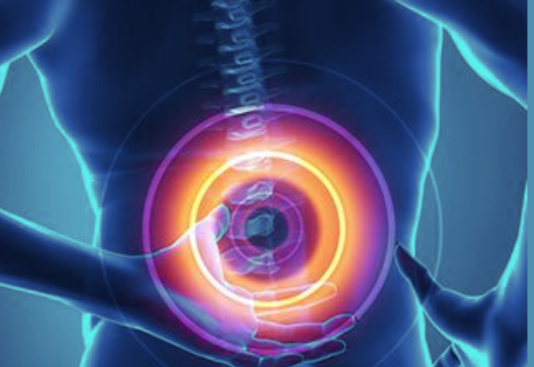
Spinal stenosis occurs when the spaces within your spine narrow, putting pressure on the spinal cord and nerves. This narrowing usually happens gradually, often due to age-related changes in the spine.
The spine is made up of vertebrae, discs, ligaments, and nerves. With time, these structures may thicken, bulge, or shift, leading to reduced space for the spinal cord and nerve roots. When nerves are compressed, patients experience pain, weakness, or numbness, particularly in the back and legs.
Types of Spinal Stenosis
Spinal stenosis can occur in different regions of the spine:
- Cervical Spinal Stenosis: Narrowing occurs in the neck.
- Symptoms may include neck pain, numbness or weakness in arms and hands, and in severe cases, problems with balance and bladder control.
- Lumbar Spinal Stenosis: Narrowing occurs in the lower back.
- This is the most common type, causing pain, tingling, or heaviness in the legs, especially when walking or standing for long periods.
Causes and Risk Factors
The most common cause of spinal stenosis is wear-and-tear changes associated with aging, also known as osteoarthritis. However, there are several other contributing factors:
- Herniated or Bulging Discs pressing on the spinal cord.
- Thickened Ligaments in the spine reducing space.
- Bone Spurs from arthritis.
- Spinal Injuries leading to dislocations or fractures.
- Congenital Narrow Spinal Canal, present from birth.
- Tumors, though rare, can also cause compression.
Risk increases significantly in individuals above 50, but younger people with congenital spinal issues or injuries may also develop the condition.
Symptoms of Spinal Stenosis
Spinal stenosis may develop gradually, and in early stages, some people may not notice significant symptoms. As the condition progresses, common symptoms include:
- Pain in the back, neck, or legs that worsens when walking or standing.
- Numbness or tingling in the arms, hands, legs, or feet.
- Weakness in limbs, often causing difficulty in movement.
- Loss of balance or frequent stumbling.
- Reduced walking endurance, where patients need to sit or bend forward to relieve discomfort.
- Bladder or bowel dysfunction (in severe cases).
These symptoms often mimic other neurological or orthopedic problems, which is why expert evaluation is necessary.
Diagnosis of Spinal Stenosis
Accurate diagnosis requires a combination of patient history, physical examination, and imaging studies:
- X-rays: Detect bone changes and alignment issues.
- MRI (Magnetic Resonance Imaging): Provides detailed images of nerves, discs, and soft tissues.
- CT Scans: Show the extent of narrowing and bone overgrowth.
- Electromyography (EMG): Measures nerve and muscle function.
A neurologist or spine specialist often uses these tools together to confirm the condition and determine its severity.
Management and Treatment Options
- Non-Surgical Approaches
For many patients, especially in mild to moderate cases, non-surgical treatments are highly effective:
- Medications: Pain relievers, anti-inflammatories, and nerve pain medicines.
- Physiotherapy: Exercises that strengthen back and abdominal muscles, improve flexibility, and reduce nerve pressure.
- Lifestyle Adjustments: Posture correction, weight management, and low-impact exercises like swimming or cycling.
- Epidural Steroid Injections: Reduce inflammation and provide temporary pain relief.
- Surgical Treatments
When symptoms are severe or non-surgical treatments fail, surgery may be recommended. Common surgical options include:
- Laminectomy: Removal of part of the vertebra (lamina) to create more space for nerves.
- Laminotomy: Partial removal of the lamina.
- Spinal Fusion: Joining two or more vertebrae to provide stability.
- Minimally Invasive Surgeries: Advanced techniques that reduce recovery time and hospital stay.
Surgical decision-making depends on the location and severity of stenosis, overall health, and patient lifestyle.
Living with Spinal Stenosis
Spinal stenosis is a chronic condition, but with proper management, most patients continue to lead active lives. Regular follow-ups, adherence to exercise routines, maintaining a healthy weight, and avoiding activities that strain the spine can significantly improve quality of life.
Emotional well-being is equally important. Chronic pain can lead to stress, anxiety, or depression. Support groups, counseling, and open communication with healthcare providers play a vital role in holistic care.
Conclusion
Spinal stenosis is more than just back pain—it is a condition that affects movement, independence, and overall quality of life. Early recognition of symptoms, accurate diagnosis, and timely treatment are essential to prevent complications and improve outcomes. If you or your loved one is experiencing persistent back or leg pain, tingling, or weakness, it may be time to consult a specialist. At Phalke Neuro Hospital, PCMC, patients receive comprehensive neurological and spine care, advanced diagnostic facilities, and personalized treatment plans tailored to individual needs. With expert guidance and modern treatment approaches, living well with spinal stenosis is possible.
Recent Posts
-
 Ignoring Lower Back Pain That Travels to the Legs While Herniated Disc Problems Continue Progressing
 -
 Struggling with Chronic Spine Pain Despite Medication While the Root Cause Continues Remaining Untreated
 -
 . Why Long Sitting Hours and Sedentary Work Culture Are Increasing Slipped Disc Problems in Young Professionals
 -
 Ignoring Neck Pain and Tingling in the Hands While Nerve Compression Symptoms Continue Progressing
 -
 Still Living with Constant Back Pain While Underlying Spine Problems Continue Worsening Over Time