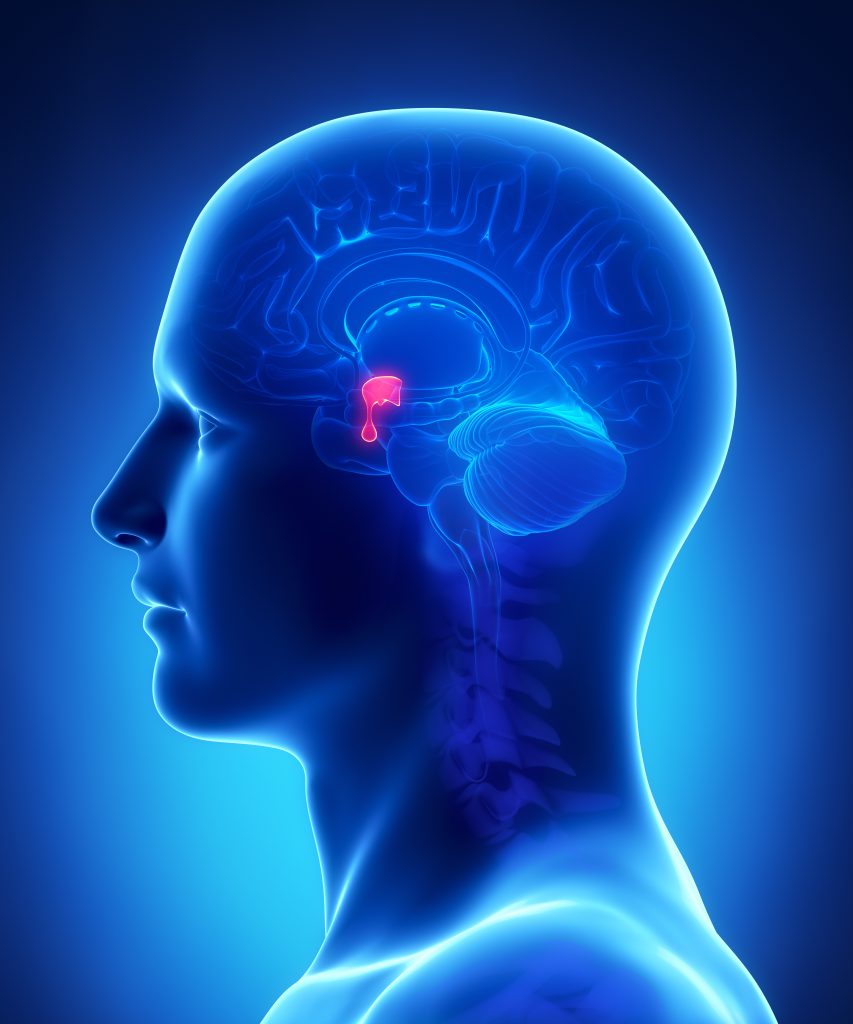
The pituitary gland, often described as the “master gland,” plays a central role in regulating essential hormones that influence growth, metabolism, reproductive functions, and the menstrual cycle. Acting as the body’s control center, it sends signals to other glands to maintain hormonal balance. A tumor in the pituitary gland can disrupt this delicate balance, leading to a range of problems, including menstrual irregularities and fertility issues. Many patients and their families are concerned about whether pituitary tumors can affect reproductive health. The answer is yes—pituitary tumors can interfere with hormone production, impacting ovulation, menstruation, and fertility in both women and men.
This article explores what pituitary tumors are, how they affect reproductive health, the symptoms to watch for, and the available treatments that can help restore normal hormonal function.
What Is a Pituitary Tumor?
A pituitary tumor is an abnormal growth in the pituitary gland, a small pea-sized endocrine gland located at the base of the skull, just beneath the hypothalamus. Despite its small size, the pituitary gland has a major influence on overall well-being because it regulates hormone production and controls many vital bodily functions. Most pituitary tumors are benign (noncancerous), yet they can significantly impact hormone levels, affecting reproductive health, metabolism, and other key functions.
Pituitary tumors are often slow-growing, and many patients may not notice symptoms until the tumor becomes large enough to alter hormone levels or press on nearby brain structures. Early detection and treatment are essential to prevent long-term complications, including infertility.
Types of Pituitary Tumors
Pituitary tumors are generally classified into two main types:
- Functioning Pituitary Tumors: These tumors actively produce excess hormones, which disrupt the body’s hormonal balance. Depending on the specific hormone affected, they can cause irregular periods, infertility, changes in libido, and even metabolic issues.
- Non-Functioning Pituitary Tumors: These tumors do not secrete hormones but can still cause health problems by pressing on normal pituitary tissue or adjacent brain structures. This compression can interfere with normal hormone production, indirectly affecting reproductive health and other bodily functions.
Both types can impact menstrual cycles, ovulation, and fertility. The severity of symptoms often depends on the size of the tumor and the hormones involved.
The Pituitary Gland and Its Role in Reproduction
The pituitary gland regulates several key reproductive hormones, including:
- Luteinizing Hormone (LH): Triggers ovulation in women and testosterone production in men.
- Follicle-Stimulating Hormone (FSH): Supports growth and maturation of ovarian follicles in women and sperm production in men.
- Prolactin: Stimulates milk production; high levels can suppress ovulation.
- Thyroid-Stimulating Hormone (TSH): Influences metabolism and indirectly affects reproductive function.
- Adrenocorticotropic Hormone (ACTH): Regulates adrenal glands and stress hormones, which can impact reproductive hormones.
These hormones work together to maintain ovulation, regular menstrual cycles, sperm production, and overall sexual health. Tumors in the pituitary gland can disrupt this balance, leading to reproductive challenges.
Effects of Pituitary Tumors on Menstrual Cycles
Hormonal imbalances caused by pituitary tumors can result in various menstrual disorders, such as:
- Amenorrhea (Irregular or Absent Periods): Tumors can disrupt hormonal signals required for ovulation, leading to irregular or missing menstrual cycles.
- Excessive or Prolonged Menstrual Bleeding: Hormonal imbalances may cause heavier or longer periods.
- Early Menopause-Like Symptoms: Reduced estrogen levels can result in hot flashes, mood swings, vaginal dryness, and other menopause-like symptoms.
These changes can be distressing for women and may interfere with fertility if left untreated.
Pituitary Tumors and Fertility Issues
Prolactin-Secreting Tumors (Prolactinomas)
Prolactinomas are the most common pituitary tumors affecting fertility. They secrete excessive prolactin, which can suppress ovulation and disrupt menstrual cycles.
Symptoms in Women:
- Irregular or missed periods
- Difficulty conceiving
- Milky nipple discharge (galactorrhea)
- Reduced libido
Symptoms in Men:
- Erectile dysfunction
- Low sperm count
- Decreased libido
High prolactin levels are a leading cause of infertility in women with pituitary tumors, but they can also affect men’s reproductive health.
Non-Functioning Pituitary Tumors
Non-functioning tumors can compress surrounding pituitary tissue, leading to:
- Reduced estrogen and progesterone production in women
- Impaired egg development and ovulation
- Lower fertility
- Thyroid or adrenal hormone imbalances affecting reproductive health
Even without hormone secretion, the pressure exerted by non-functioning tumors can mimic the effects of a hormone-secreting tumor, making proper diagnosis and treatment essential.
Symptoms to Watch For
Individuals with pituitary tumors may experience one or more of the following:
- Irregular or absent menstrual periods
- Difficulty conceiving
- Unexpected breast discharge or milky nipple secretion
- Changes in libido
- Erectile dysfunction in men
- Unexplained weight changes or fatigue
- Headaches or visual changes due to tumor pressure
Early consultation with a neurologist or endocrinologist is crucial if any of these symptoms are present.
Diagnosis and Treatment
Diagnosis typically involves:
- Blood tests to evaluate hormone levels
- MRI or CT scans to determine tumor size and location
- Visual field tests if the tumor affects optic nerves
Treatment options depend on tumor type, size, and impact and may include:
- Medications: To regulate hormone production (e.g., dopamine agonists for prolactinomas)
- Surgery: Removal of tumors causing pressure or significant symptoms
- Radiation Therapy: To reduce residual tumor tissue in some cases
- Fertility Support: Hormonal therapy or assisted reproductive techniques
With timely intervention, patients can often restore normal hormonal balance, resume regular menstrual cycles, and improve fertility outcomes.
Conclusion
Pituitary tumors can significantly affect reproductive health by disrupting hormone production, resulting in menstrual irregularities and fertility challenges. Functioning tumors, such as prolactinomas, and non-functioning tumors that compress normal pituitary tissue, both have the potential to interfere with ovulation and fertility. Early diagnosis, treatment, and ongoing management by experienced neurologists and endocrinologists are critical to preserving reproductive health. With proper medical care, many patients can regain normal menstrual cycles, enhance fertility, and improve overall quality of life.
Recent Posts
-
 Ignoring Lower Back Pain That Travels to the Legs While Herniated Disc Problems Continue Progressing
 -
 Struggling with Chronic Spine Pain Despite Medication While the Root Cause Continues Remaining Untreated
 -
 . Why Long Sitting Hours and Sedentary Work Culture Are Increasing Slipped Disc Problems in Young Professionals
 -
 Ignoring Neck Pain and Tingling in the Hands While Nerve Compression Symptoms Continue Progressing
 -
 Still Living with Constant Back Pain While Underlying Spine Problems Continue Worsening Over Time