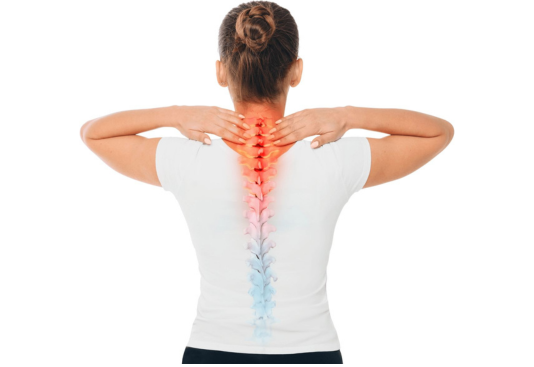
When we think of the brain, we often picture thoughts, memory, and intelligence. When we think of the spine, we picture posture, support, and movement. What many people don’t realize is that these two systems are deeply interconnected and constantly communicating. The brain and spine together form the central nervous system (CNS)—the command center of the body. Any disruption in one often affects the other, making it vital to understand why spine health and neurology go hand in hand.
The Brain-Spine Connection
The brain functions as the control room, sending and receiving signals. The spinal cord, protected by the bony vertebrae of the spine, acts as the high-speed highway that carries these signals to and from the rest of the body. Without the spinal cord, the brain cannot effectively communicate with the muscles, organs, or sensory systems.
This connection means that a spine disorder can present neurological symptoms, and a neurological condition can often have its roots in spinal dysfunction.
Common Spine-Related Neurological Conditions
- Slipped Disc (Herniated Disc)
A slipped disc can press on spinal nerves, leading to severe back pain, leg pain (sciatica), tingling, or weakness. Though it originates in the spine, its effects are neurological because the compressed nerves carry signals to the brain. - Spinal Stenosis
Narrowing of the spinal canal can compress the spinal cord or nerves, resulting in numbness, difficulty walking, or even loss of bladder control in advanced cases. - Cervical Spondylosis
Age-related changes in the neck vertebrae can lead to stiffness, headaches, and sometimes dizziness—showing how spinal issues can mimic neurological disorders. - Spinal Injuries
Trauma to the spine doesn’t just cause structural damage but can also cut off brain-to-body communication, sometimes leading to paralysis.
Neurological Conditions Affecting the Spine
The link is not one-way. Some neurological disorders can cause spinal complications as well:
- Multiple Sclerosis (MS): Damages the protective covering of nerves in the brain and spine, leading to mobility challenges.
- Parkinson’s Disease: Muscle stiffness and posture imbalance often strain the spine.
- Brain Tumors or Strokes: May cause weakness or abnormal posture that affects spinal alignment.
This two-way relationship emphasizes that neither system can be treated in isolation.
Symptoms That Show the Brain-Spine Link
When patients visit a neurologist or spine specialist, they often complain of overlapping symptoms such as:
- Numbness or tingling in arms or legs
- Radiating pain (like sciatica)
- Unexplained weakness or muscle loss
- Balance problems or frequent falls
- Loss of coordination
- Chronic headaches with neck stiffness
These signs highlight the close connection between neurology and spine health and why a holistic evaluation is important.
Diagnosis: Why Collaboration Matters
Modern medicine recognizes that spine and neurology care must overlap for accurate diagnosis.
- MRI and CT Scans allow specialists to visualize both brain and spinal cord.
- Electromyography (EMG) and Nerve Conduction Studies test how well nerves and muscles are working together.
- Neurological Examinations assess reflexes, strength, and sensation to pinpoint whether symptoms stem from the spine, the brain, or both.
Often, a neurologist works in close collaboration with an orthopedic spine surgeon or neurosurgeon to determine the best treatment plan.
Treatment Approaches
- Medications
- Pain relievers, muscle relaxants, and nerve-related medicines help manage both spine-related and neurological symptoms.
- Physiotherapy & Rehabilitation
- Exercises to strengthen the spine and improve posture can reduce neurological symptoms like weakness and balance issues.
- Minimally Invasive Procedures
- Techniques like epidural injections or endoscopic discectomy relieve nerve pressure without major surgery.
- Surgical Interventions
- In severe cases of disc prolapse, spinal stenosis, or injuries, surgery may be required to decompress nerves or stabilize the spine.
- Lifestyle Management
- Regular exercise, maintaining a healthy weight, ergonomic work habits, and stress management contribute equally to brain and spine health.
Preventive Care for Brain and Spine
- Stay Active: Regular physical activity keeps both brain and spine healthy.
- Mind Your Posture: Long sitting hours strain the spine, indirectly affecting nerve communication.
- Protect Against Injuries: Helmets and seat belts safeguard against head and spine trauma.
- Monitor Warning Signs: Chronic headaches, persistent back pain, or unexplained numbness should never be ignored.
Conclusion
Your brain and spine are not separate entities working in isolation—they are two parts of the same central nervous system. Protecting one means protecting the other. Ignoring spinal health can lead to neurological complications, and overlooking brain health can strain the spine.
If you or your loved ones are experiencing symptoms such as chronic back pain, tingling, or unexplained weakness, seeking expert care is crucial. At Phalke Neuro Hospital, PCMC, patients receive comprehensive treatment for both spine and neurological conditions under one roof. With advanced technology, experienced specialists, and patient-focused care, the hospital ensures that the brain-spine connection is addressed with the attention it deserves.
Recent Posts
-
 Ignoring Lower Back Pain That Travels to the Legs While Herniated Disc Problems Continue Progressing
 -
 Struggling with Chronic Spine Pain Despite Medication While the Root Cause Continues Remaining Untreated
 -
 . Why Long Sitting Hours and Sedentary Work Culture Are Increasing Slipped Disc Problems in Young Professionals
 -
 Ignoring Neck Pain and Tingling in the Hands While Nerve Compression Symptoms Continue Progressing
 -
 Still Living with Constant Back Pain While Underlying Spine Problems Continue Worsening Over Time