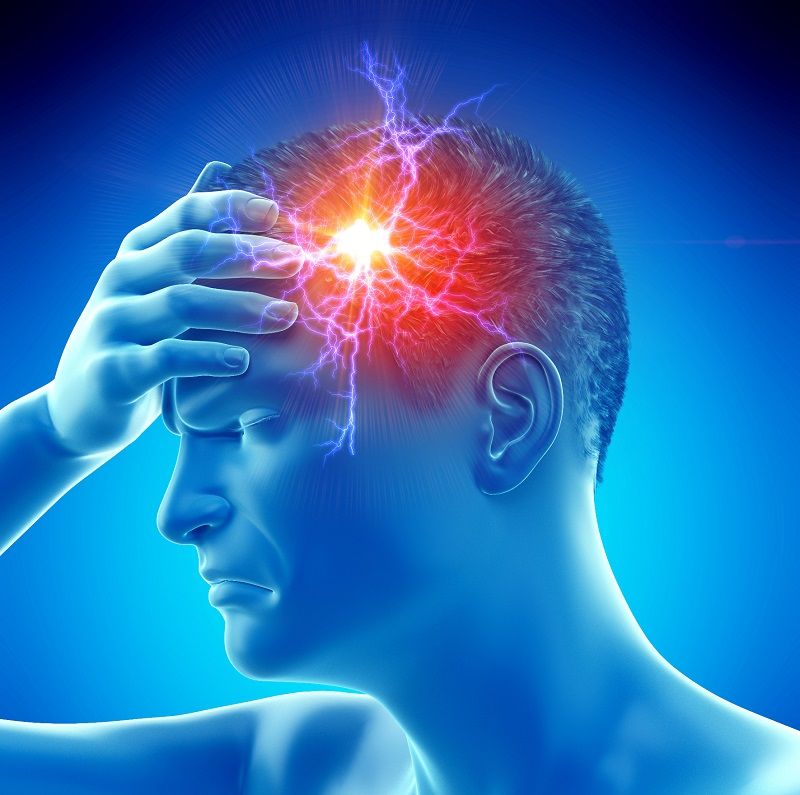
Brain injuries are not limited to physical damage alone. They can significantly affect a person’s behavior, emotions, and personality. Many patients and families are surprised to notice personality changes following a brain injury, as the individual may not seem like their former self.
In this blog, we explain how brain injuries can influence personality, why these changes occur, and how expert neurological care, such as that provided at Phalke Neuro Hospital, can help patients and families cope effectively.
What Is a Brain Injury?
A brain injury refers to any condition that disrupts the normal functioning of the brain. These injuries can affect thinking, emotions, behavior, movement, and personality.
Types of Brain Injuries
Brain injuries are generally classified into two main types:
- Traumatic Brain Injury (TBI)
Caused by an external force such as a road accident, fall, sports injury, or physical assault. - Acquired Brain Injury (ABI)
Caused by internal factors such as stroke, brain tumors, infections, or lack of oxygen to the brain.
Both types can impact cognitive, emotional, and behavioral functions depending on the area and severity of brain damage.
How Brain Injuries Affect Behavior and Personality
The brain controls memory, emotions, decision-making, and personality traits. When brain tissue is injured, these functions can be disrupted, leading to noticeable changes in behavior and emotional responses.
Neurobiological Changes After Brain Injury
Damage to specific regions of the brain, especially the frontal and temporal lobes, can cause personality changes. These areas regulate:
- Emotional responses
- Impulse control
- Social behavior
- Judgment and decision-making
When these regions are affected, individuals may react differently to situations, show reduced emotional control, or behave in ways that feel unfamiliar to loved ones.
Personality Changes After Brain Injury
Research shows that personality changes after brain injury are relatively common, especially following moderate to severe injuries. Patients may experience changes in traits such as emotional stability, sociability, motivation, and responsibility.
These changes can significantly impact relationships, work life, and daily functioning.
Can Brain Injuries Really Change Personality?
From a neurologist’s perspective, the answer is yes. Brain injuries can cause temporary or permanent personality changes. These changes are not intentional and are often the result of physical damage and chemical changes within the brain.
Why Do Personality Changes Occur?
Damage to Emotional Regulation Centers
Injury to brain areas responsible for emotional control can lead to mood swings, irritability, or emotional instability.
Changes in Brain Chemistry
Brain injuries may disrupt neurotransmitters, which are chemicals responsible for communication between brain cells. Imbalances can directly affect mood, behavior, and emotional responses.
Emotional Impact of Loss and Frustration
Personality changes may also stem from emotional stress caused by loss of independence, physical limitations, or changes in quality of life following injury.
Common Personality Changes After Brain Injury
Some frequently observed changes include:
- Irritability and anger outbursts
- Mood swings and emotional instability
- Impulsiveness or reduced inhibition
- Lack of motivation or interest
- Aggression or agitation
- Difficulty in social interactions
- Reduced self-awareness
The severity of these changes depends on the extent of injury and the affected brain region.
Real-Life Impact of Personality Changes
Personality changes can deeply affect not just the patient but also their family and caregivers. Loved ones often feel that the individual has changed significantly, leading to emotional strain, confusion, and challenges in relationships.
Understanding that these changes are medically driven helps families respond with empathy and patience.
Diagnosis and Evaluation by Neurologists
Neurologists assess brain injury and its effects through:
- Detailed medical history
- Neurological examination
- Imaging studies such as MRI or CT scans
- Neuropsychological assessments
These evaluations help determine the extent of brain damage and its impact on personality, cognition, and behavior.
Treatment and Rehabilitation Options
Managing personality changes after brain injury requires a comprehensive and multidisciplinary approach, which may include:
- Cognitive rehabilitation therapy
- Behavioral therapy and counseling
- Medications for mood or behavioral symptoms
- Family education and emotional support
The goal is to improve functional independence, emotional stability, and overall quality of life.
How Phalke Neuro Hospital Supports Brain Injury Patients
Phalke Neuro Hospital provides specialized care for patients affected by brain injuries, including those experiencing personality and behavioral changes. The hospital offers comprehensive neurological services, from accurate diagnosis to long-term rehabilitation and support.
Why Choose Phalke Neuro Hospital?
- Highly experienced neurologists and neurosurgeons
- Advanced diagnostic and treatment technology
- Personalized and holistic rehabilitation programs
- Emotional support and counseling for patients and families
- Focus on recovery, independence, and improved quality of life
Whether it is a mild concussion or a severe traumatic brain injury, each patient receives individualized care tailored to their needs.
Coping With Personality Changes After Brain Injury
Adapting to personality changes can be challenging. Helpful strategies include:
- Education about brain injury effects
- Psychological and emotional therapy
- Support groups and community resources
- Structured daily routines and behavioral strategies
Recovery is a gradual process. With patience, consistent care, and professional support, many patients experience meaningful improvement.
Conclusion
Brain injuries can indeed lead to changes in personality due to damage to emotional and cognitive centers of the brain. These changes may appear as mood swings, irritability, impulsivity, or social difficulties. While these effects can be distressing, they are manageable with the right medical care and rehabilitation.
With expert neurological support and comprehensive treatment at Phalke Neuro Hospital, patients and families can effectively cope with these changes and work toward a better quality of life.
Phalke Neuro Hospital – Specialists in Neurocare
PCMC, Pune, Maharashtra, India
Recent Posts
-
 Ignoring Lower Back Pain That Travels to the Legs While Herniated Disc Problems Continue Progressing
 -
 Struggling with Chronic Spine Pain Despite Medication While the Root Cause Continues Remaining Untreated
 -
 . Why Long Sitting Hours and Sedentary Work Culture Are Increasing Slipped Disc Problems in Young Professionals
 -
 Ignoring Neck Pain and Tingling in the Hands While Nerve Compression Symptoms Continue Progressing
 -
 Still Living with Constant Back Pain While Underlying Spine Problems Continue Worsening Over Time