Why Head Injury and Trauma Care Requires Immediate Expert Attention
Head injuries and neurological trauma are among the most time-sensitive medical emergencies because they directly affect the brain, which controls every essential function of the body. Even a minor accident can lead to internal bleeding, brain swelling, or nerve damage that may not be immediately visible. In busy urban areas like Pimpri-Chinchwad, road accidents, falls, workplace injuries, and sports-related trauma have increased the need for specialized head injury and trauma care services. Early medical intervention by experienced neurological specialists plays a critical role in preventing permanent disability and saving lives.
Understanding Different Types of Head Injuries
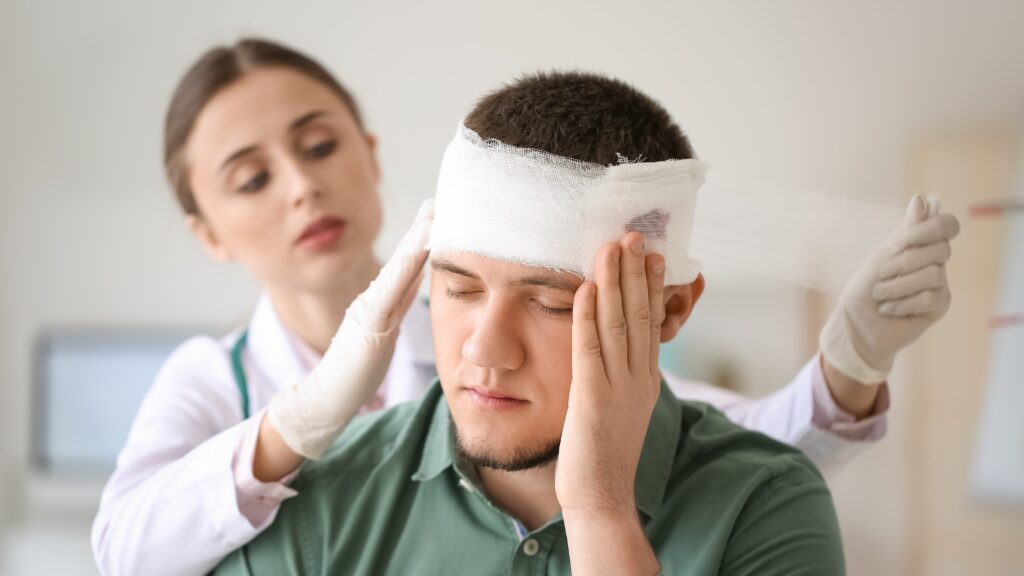
Head injuries vary widely in severity and impact. Some patients may suffer a mild concussion, while others experience severe traumatic brain injury requiring urgent surgical intervention. Common types of head injuries include concussions, skull fractures, brain contusions, intracranial hemorrhage, and diffuse axonal injury. Symptoms such as loss of consciousness, persistent headache, vomiting, confusion, seizures, vision problems, or weakness in limbs should never be ignored. Specialized trauma care focuses on early recognition of these symptoms and close neurological monitoring to prevent secondary brain damage.
Advanced Diagnostic Technology for Accurate Trauma Assessment
Accurate and rapid diagnosis is the backbone of effective head injury and trauma care services. Advanced imaging techniques such as CT scans and MRI scans allow doctors to quickly detect internal bleeding, fractures, swelling, or pressure changes in the brain. These diagnostic tools help determine the severity of injury and guide immediate treatment decisions. Early diagnosis within the golden hour significantly improves survival rates and long-term neurological outcomes for trauma patients.
Emergency Response and 24/7 Trauma Care Services
One of the most critical aspects of trauma care is round-the-clock emergency availability. Head injuries do not follow a schedule, and delays in treatment can be life-threatening. Dedicated emergency teams, on-call neurosurgeons, and fully equipped emergency departments ensure patients receive immediate care at any hour. Rapid stabilization, airway protection, and neurological evaluation are essential steps that can prevent further complications and improve recovery chances.
Advanced Neurosurgical Treatment for Severe Head Trauma
Severe head injuries often require immediate neurosurgical intervention to reduce pressure on the brain or stop internal bleeding. Advanced neurosurgical techniques are used to remove blood clots, repair skull fractures, control hemorrhage, and manage brain swelling. Precision and experience are crucial during trauma surgery, as surgeons must protect healthy brain tissue while treating the injury effectively. Modern operation theaters and intensive care units support safe surgical outcomes and continuous patient monitoring.
Comprehensive Spine and Polytrauma Management
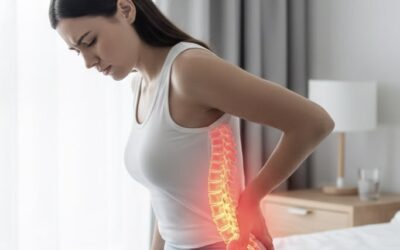
Head injuries are frequently associated with spinal trauma, making comprehensive evaluation essential. Spinal injuries can affect mobility, sensation, and vital organ function if not treated promptly. Expert trauma care includes spinal stabilization, pain management, and surgical intervention when necessary. Coordinated care between neurosurgeons, neurologists, anesthetists, and critical care specialists ensures complete management of patients with multiple injuries.
Critical Care and Intensive Monitoring After Head Injury
Following initial treatment or surgery, trauma patients often require intensive care for close neurological observation. Brain swelling, delayed bleeding, or infections can develop hours or days after injury. Advanced intensive care units equipped with continuous monitoring systems allow doctors to track vital signs and neurological status closely. Early detection of complications significantly improves survival rates and reduces long-term neurological damage.
Rehabilitation and Recovery After Head Trauma
Recovery from head injury does not end with emergency treatment. Many patients face challenges such as memory loss, speech difficulties, balance issues, or weakness after trauma. Structured rehabilitation plays a vital role in restoring physical, cognitive, and emotional function. Physiotherapy improves movement and coordination, speech therapy helps with communication difficulties, and cognitive therapy supports memory and concentration recovery. Early rehabilitation leads to faster improvement and better quality of life.
Humanized Care for Patients and Families During Trauma
Trauma situations are emotionally overwhelming for both patients and their families. Fear, uncertainty, and stress are common during emergency neurological treatment. Compassionate care, clear communication, and regular updates help families cope during critical moments. When doctors take the time to explain the patient’s condition, treatment plan, and recovery process, it builds trust and reassurance. Humanized care ensures emotional well-being alongside medical treatment.
Why Phalke Neuro Hospital Is Trusted for Trauma Care in Pimpri-Chinchwad
Phalke Neuro Hospital has earned a strong reputation for head injury and trauma care services in Pimpri-Chinchwad, Maharashtra. With a rating of 4.5 from over 1,140 Google reviews, the hospital reflects consistent patient trust and satisfaction. Patients and families often highlight prompt emergency response, experienced doctors, advanced infrastructure, and supportive nursing staff. These real experiences reinforce the hospital’s role as a reliable destination for neurological trauma care.
Accessibility and Rapid Reach During Emergencies
Location plays a crucial role in trauma outcomes. Being situated in Pimpri-Chinchwad allows quick access for patients from Pune and nearby regions. Reduced travel time during emergencies often makes a life-saving difference, ensuring patients receive expert care without delay.
Conclusion
Head injury and trauma care services require rapid response, advanced medical technology, experienced specialists, and compassionate, patient-focused support. In Pimpri-Chinchwad, Phalke Neuro Hospital continues to provide trusted neurological trauma care across Maharashtra, supported by strong patient reviews and comprehensive emergency services.
Phalke Neuro Hospital
Location: Pimpri-Chinchwad, Maharashtra
Phone: 020-67333666
Website: https://phalkeneuro.com/
Trusted Hospital in Pimpri-Chinchwad, Maharashtra
Recent Posts
-
 Ignoring Lower Back Pain That Travels to the Legs While Herniated Disc Problems Continue Progressing
 -
 Struggling with Chronic Spine Pain Despite Medication While the Root Cause Continues Remaining Untreated
 -
 . Why Long Sitting Hours and Sedentary Work Culture Are Increasing Slipped Disc Problems in Young Professionals
 -
 Ignoring Neck Pain and Tingling in the Hands While Nerve Compression Symptoms Continue Progressing
 -
 Still Living with Constant Back Pain While Underlying Spine Problems Continue Worsening Over Time