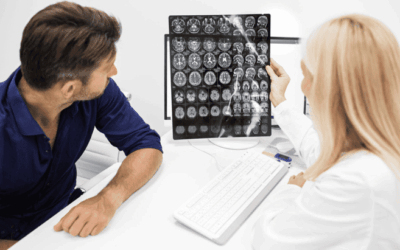
For almost three years, Sneha believed migraines had simply become part of her life.
The headaches usually started behind her eyes after long working hours. Sometimes the pain lasted only a few hours, while on other days it forced her to stay inside a dark room unable to tolerate light, noise, or even regular conversation. She frequently experienced nausea, dizziness, and unusual fatigue before the headaches began.
At first, everyone around her called it “normal stress.”
Friends suggested sleep, coffee, hydration, or painkillers. Family members blamed screen time and work pressure. Sneha herself assumed migraines were common and harmless because the symptoms temporarily improved after medication.
But over time, the episodes slowly became more frequent and unpredictable.
She started struggling to focus during meetings, occasionally experienced blurred vision, and sometimes felt numbness in her hands before the headaches appeared. Simple daily activities began affecting her confidence and emotional well-being.
Only after one severe episode caused temporary speech difficulty did her family insist on neurological evaluation.
The examination revealed that her symptoms were connected to an underlying neurological condition that had remained undetected for a long time.
Situations like this are becoming increasingly common today.
Many people continue assuming frequent migraines are “normal” without realizing that recurring headaches may sometimes indicate deeper neurological concerns requiring proper medical attention. While migraines themselves are common, repeated severe episodes should never be casually ignored when symptoms continue worsening or start affecting daily life significantly.
One of the biggest problems is that migraine symptoms are often normalized in modern lifestyles.
Long working hours, chronic stress, poor sleep quality, hormonal imbalance, excessive screen exposure, unhealthy eating habits, dehydration, anxiety, and mental fatigue are affecting neurological health more than ever before. Because headaches have become so common, many individuals continue depending on temporary pain relief instead of understanding why the symptoms keep returning repeatedly.
This delay may sometimes allow underlying neurological conditions to remain undetected for months or even years.
Migraines can affect people differently depending on the underlying neurological triggers involved. Some individuals mainly experience severe headaches, while others may notice blurred vision, dizziness, nausea, sensitivity to light, speech difficulty, numbness, balance problems, or unusual neurological sensations before or during episodes.
In many situations, patients gradually adjust their lifestyle around the migraines instead of seeking proper neurological evaluation.
They avoid bright environments, reduce physical activity, carry painkillers constantly, or cancel social plans regularly while believing the condition is simply something they must “live with.”
However, persistent migraines should never be repeatedly ignored when the symptoms become more severe, frequent, or unusual over time.
Certain warning signs deserve immediate neurological attention, especially when headaches are associated with confusion, weakness, seizures, personality changes, vision disturbances, speech difficulty, memory problems, imbalance, or sudden changes in headache patterns.
In some cases, recurring migraines may be connected to stress-related neurological sensitivity or lifestyle imbalance. However, they may also indicate underlying nerve-related disorders, vascular problems, traumatic brain injuries, spinal conditions, brain tumors, or other neurological concerns affecting brain function and nerve communication.
This is why early neurological evaluation becomes extremely important.
Delayed diagnosis may gradually affect concentration, emotional health, sleep quality, work performance, social confidence, mobility, and overall quality of life. Many patients later realize that symptoms they repeatedly dismissed as “normal migraines” were actually warning signs of neurological conditions requiring timely treatment.
Modern neurological care has evolved significantly over recent years, allowing specialists to diagnose and manage migraine-related neurological conditions with far greater precision than before. Advanced imaging systems, neuro-monitoring technologies, minimally invasive treatment approaches, cognitive evaluations, and rehabilitation-focused neurological care now help improve both treatment accuracy and long-term recovery support.
Depending on the condition, treatment may involve medication management, lifestyle modification, neuro rehabilitation, spine treatment, stress management strategies, minimally invasive procedures, or advanced neurological intervention focused on protecting brain function and improving long-term neurological stability.
At PHALKE NEURO, patients receive specialized neurological and brain care supported by advanced medical technology, precision diagnosis systems, rehabilitation-focused recovery planning, and patient-centered treatment approaches designed according to each patient’s neurological condition and recovery needs.
The hospital offers advanced neurological facilities including Neuro Navigation Systems, ZEISS Neurosurgical Microscope technology, stereotactic surgery, advanced Neuro ICU support, computer-assisted brain and spine surgery, and rehabilitation-focused neurological recovery care designed to improve both treatment precision and patient quality of life.
Recovery from chronic neurological symptoms often affects emotional well-being as much as physical health.
Many individuals dealing with severe migraines experience anxiety, frustration, mental exhaustion, reduced confidence, and emotional stress because the condition gradually affects work performance, social interaction, sleep quality, and day-to-day comfort.
Effective neurological care therefore focuses not only on symptom management but also on understanding the underlying neurological causes affecting the patient’s long-term brain health and quality of life.
At PHALKE NEURO Hospital, treatment approaches are carefully designed according to the patient’s neurological condition, symptom severity, recovery progress, lifestyle factors, emotional well-being, and long-term health goals.
Dr. Umesh Phalke, Senior Neurosurgeon with more than 25 years of experience, specializes in advanced brain surgery, neuro trauma care, spine surgery, and complex neurological treatment focused on improving patient recovery outcomes and protecting long-term neurological health.
The hospital’s rehabilitation and physiotherapy support systems also help patients gradually regain mental stability, physical comfort, concentration, emotional confidence, and overall quality of life during the recovery process.
Ignoring frequent migraines for too long may eventually affect much more than temporary discomfort alone.
Untreated neurological conditions can gradually impact memory, concentration, emotional health, mobility, communication, work efficiency, sleep quality, and overall brain function over time. Many patients later realize that the headaches they normalized for years were actually early warning signs of deeper neurological concerns requiring specialized care.
This is why recurring migraines should never be repeatedly dismissed without proper neurological evaluation, especially when symptoms continue worsening or begin affecting everyday activities significantly.
Protecting brain health early often improves both recovery outcomes and long-term quality of life.
Conclusion
Still assuming frequent migraines are normal while symptoms continue worsening may allow underlying neurological problems to remain undetected for far too long. Persistent headaches associated with dizziness, blurred vision, numbness, speech difficulty, confusion, or balance issues should never be repeatedly ignored without proper neurological evaluation.
Modern neurological care now focuses heavily on early diagnosis, precision treatment, minimally invasive approaches, rehabilitation-focused recovery, and long-term brain health protection designed around each patient’s neurological condition and recovery needs.
At PHALKE NEURO, patients receive advanced neurological and brain care supported by modern neurosurgical technology, rehabilitation-focused treatment, emergency neuro support, and compassionate patient-centered neurological care.
Dr. Umesh Phalke
Senior Neurosurgeon
MBBS, MS (General Surgery), MCh (Neurosurgery), FBNI (USA)
PHALKE NEURO Hospital
Kundan Nagar, Kasarwadi, Pimpri-Chinchwad, Pune, Maharashtra 411012
Website: Phalke Neuro Official Website
Phone Number: +91 88888 5577 | 020 6733 3666
Email: umeshphalkens@gmail.com
Practice Hours: Mon to Sat – 10:00 AM to 9:00 PM
Recent Posts
-
 Ignoring Lower Back Pain That Travels to the Legs While Herniated Disc Problems Continue Progressing
 -
 Struggling with Chronic Spine Pain Despite Medication While the Root Cause Continues Remaining Untreated
 -
 . Why Long Sitting Hours and Sedentary Work Culture Are Increasing Slipped Disc Problems in Young Professionals
 -
 Ignoring Neck Pain and Tingling in the Hands While Nerve Compression Symptoms Continue Progressing
 -
 Still Living with Constant Back Pain While Underlying Spine Problems Continue Worsening Over Time