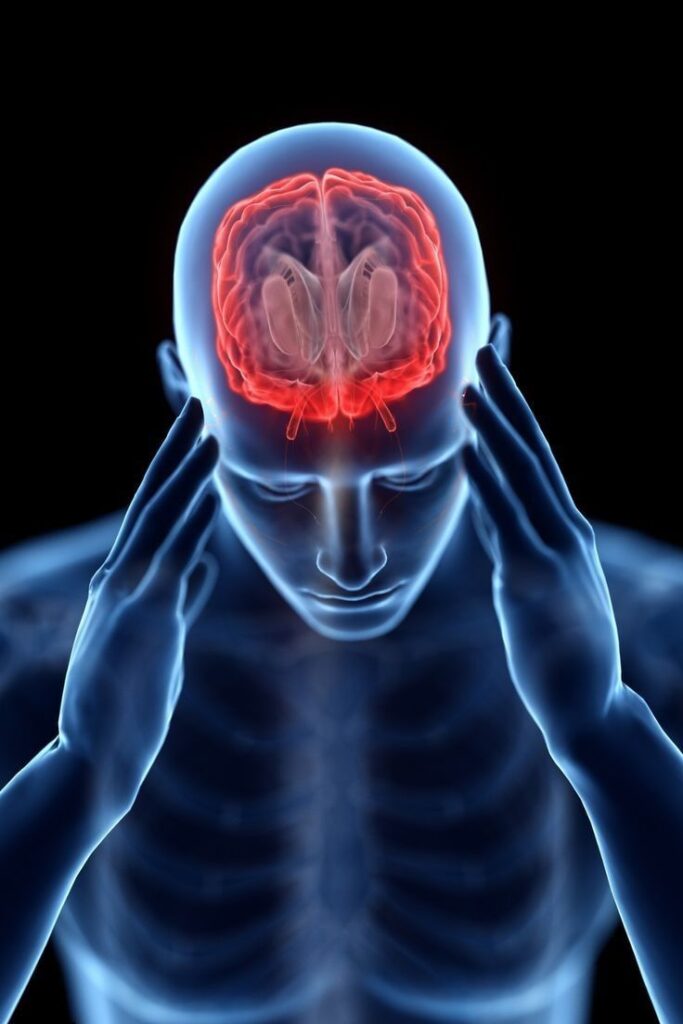
When Vivek met with a road accident on his way home, everyone around him believed he had escaped safely.
He had fallen from his bike after suddenly braking near a crowded signal. Apart from minor scratches on his arm and slight pain near his forehead, he seemed completely normal. He was conscious, able to speak clearly, and insisted there was no need to visit a hospital.
His family trusted his judgment.
Like many people after a head injury, they assumed serious brain damage would immediately show obvious symptoms such as unconsciousness or heavy bleeding. Since none of those signs appeared initially, they believed rest at home would be enough.
But late that night, Vivek started developing severe headaches and unusual drowsiness. By morning, he struggled to stay alert and became confused during simple conversations. Emergency neurological evaluation later revealed internal bleeding inside the brain that had silently continued progressing for hours after the accident.
Situations like this are becoming increasingly common today.
Many patients continue waiting for visible symptoms to appear after a head injury without realizing that internal brain damage may already be developing silently underneath. In several neurological emergencies, the most dangerous complications begin long before obvious symptoms become noticeable.
This is what makes head injuries extremely unpredictable.
The brain is highly sensitive to trauma, bleeding, swelling, pressure changes, and reduced oxygen supply after any form of impact. Even injuries that initially appear “minor” may sometimes affect delicate brain tissues or blood vessels inside the skull.
One of the biggest dangers is that neurological symptoms do not always appear immediately after trauma.
Patients may continue talking, walking, or behaving normally during the initial stages while internal complications continue progressing quietly for several hours. Because the patient appears stable from the outside, families often delay emergency neurological evaluation and assume everything is under control.
Unfortunately, that delay may sometimes become life-threatening.
Modern lifestyles are also contributing heavily to rising cases of traumatic brain injuries across different age groups. Road accidents, sports injuries, workplace falls, bathroom slips, physical assaults, and sudden impacts are becoming increasingly common due to traffic conditions, long commuting hours, fatigue, stress, and physically demanding routines.
At the same time, many individuals continue depending on painkillers or home observation instead of seeking emergency neurological care immediately after a head injury.
Certain symptoms after trauma should never be ignored, especially during the first few hours following a head injury. Persistent headaches, dizziness, nausea, vomiting, confusion, memory loss, unusual sleepiness, blurred vision, seizures, slurred speech, imbalance, mood changes, or difficulty responding normally may sometimes indicate serious neurological complications requiring urgent medical intervention.
In many situations, patients later realize that waiting for “visible symptoms” allowed dangerous brain complications to worsen silently during the critical early stages after trauma.
This is why immediate neurological evaluation becomes extremely important even when the patient initially appears normal after a head injury.
Early diagnosis often allows specialists to identify internal bleeding, swelling, skull fractures, nerve damage, pressure buildup, or traumatic brain injuries before severe neurological complications develop. Timely treatment may significantly improve survival chances, recovery possibilities, and long-term brain health outcomes.
Delayed medical attention, however, may gradually affect memory, concentration, coordination, speech, mobility, emotional health, physical independence, and overall quality of life.
In more severe situations, untreated internal brain injuries may eventually become fatal if swelling or bleeding continues progressing without emergency intervention.
Modern neuro trauma care has evolved significantly over recent years, allowing specialists to diagnose and manage traumatic brain injuries with far greater speed and precision than before. Advanced imaging systems, neuro monitoring technologies, minimally invasive procedures, trauma-focused ICU care, computer-assisted surgery, and rehabilitation-focused recovery planning now help improve both emergency treatment outcomes and long-term neurological recovery.
Depending on the severity of the injury, treatment may involve emergency observation, medication management, ICU monitoring, minimally invasive intervention, advanced brain surgery, neuro rehabilitation, or long-term neurological recovery support focused on protecting brain function and patient stability.
At PHALKE NEURO, patients receive specialized neuro trauma and emergency brain care supported by advanced neurosurgical technology, rapid diagnosis systems, and rehabilitation-focused neurological recovery planning designed according to each patient’s condition and recovery needs.
The hospital offers 24×7 Neuro Emergency Services, Advanced Neuro ICU support, Neuro Navigation Systems, ZEISS Neurosurgical Microscope technology, Intra-Cranial Pressure monitoring, stereotactic surgery, computer-assisted brain surgery, and Golden Hour emergency neuro care focused on improving patient safety and neurological recovery outcomes during critical situations.
Recovery after a traumatic brain injury often affects emotional well-being as much as physical health.
Many individuals experience anxiety, confusion, reduced confidence, memory problems, emotional stress, physical imbalance, or fear about returning to normal life after neurological trauma. Families also go through intense emotional pressure while managing emergency treatment decisions and long-term recovery concerns.
Effective neuro trauma care therefore focuses not only on emergency survival but also on rehabilitation, emotional reassurance, cognitive recovery, mobility improvement, and long-term quality of life protection.
At PHALKE NEURO Hospital, treatment approaches are carefully planned according to the severity of the injury, neurological condition, recovery progress, emotional well-being, rehabilitation needs, and long-term neurological recovery goals of each patient.
Dr. Umesh Phalke, Senior Neurosurgeon with more than 25 years of experience, specializes in advanced brain surgery, neuro trauma management, spine surgery, and complex neurosurgical procedures focused on improving patient outcomes and protecting long-term neurological health.
The hospital’s rehabilitation and physiotherapy support systems also help patients gradually regain movement confidence, coordination, physical balance, emotional stability, cognitive recovery, and day-to-day independence during the healing process.
Ignoring a head injury while waiting for symptoms to appear may eventually affect far more than temporary comfort alone.
Untreated neurological injuries can gradually impact memory, concentration, speech, emotional health, mobility, coordination, physical independence, and overall quality of life over time. Many patients later realize that the period they spent “waiting for symptoms” allowed dangerous internal brain damage to continue progressing silently.
This is why head injuries should never be casually ignored, even when the patient initially appears completely normal.
Protecting brain health early often protects both survival and long-term neurological recovery outcomes.
Conclusion
Still waiting for symptoms to appear after a head injury may allow internal brain damage to continue progressing silently during the most critical stages after trauma. Even injuries that initially appear minor may sometimes involve internal bleeding, swelling, nerve damage, or traumatic brain injury requiring immediate neurological evaluation and emergency medical care.
Modern neuro trauma care now focuses heavily on rapid diagnosis, emergency neurological intervention, minimally invasive treatment approaches, rehabilitation-focused recovery, and long-term brain health protection designed around each patient’s condition and recovery needs.
At PHALKE NEURO, patients receive advanced neuro trauma and emergency brain care supported by modern neurosurgical technology, Golden Hour emergency services, rehabilitation-focused treatment, and compassionate patient-centered neurological care.
Dr. Umesh Phalke
Senior Neurosurgeon
MBBS, MS (General Surgery), MCh (Neurosurgery), FBNI (USA)
PHALKE NEURO Hospital
Kundan Nagar, Kasarwadi, Pimpri-Chinchwad, Pune, Maharashtra 411012
Website: Phalke Neuro Official Website
Phone Number: +91 88888 5577 | 020 6733 3666
Email: umeshphalkens@gmail.com
Practice Hours: Mon to Sat – 10:00 AM to 9:00 PM
Recent Posts
-
 Ignoring Lower Back Pain That Travels to the Legs While Herniated Disc Problems Continue Progressing
 -
 Struggling with Chronic Spine Pain Despite Medication While the Root Cause Continues Remaining Untreated
 -
 . Why Long Sitting Hours and Sedentary Work Culture Are Increasing Slipped Disc Problems in Young Professionals
 -
 Ignoring Neck Pain and Tingling in the Hands While Nerve Compression Symptoms Continue Progressing
 -
 Still Living with Constant Back Pain While Underlying Spine Problems Continue Worsening Over Time